
What to Look for in Soccer Coaching for Kids
When you are searching for the right soccer coaching for kids, it is easy to get distracted by fancy uniforms or championship trophies. However, the real value of a program lies in its philosophy. A high-quality program should always be player-centered. This means the focus is on the individual child’s growth rather than the team’s win-loss record.
Statistics show that more than 73 percent of all kids who play organized youth sports end up quitting by the time they reach age 13. Often, this is because the environment becomes too high-pressure or simply boring. To combat this, effective coaching must prioritize engagement. Every child should feel like they are a vital part of the session, not just a bystander watching the “star” players.
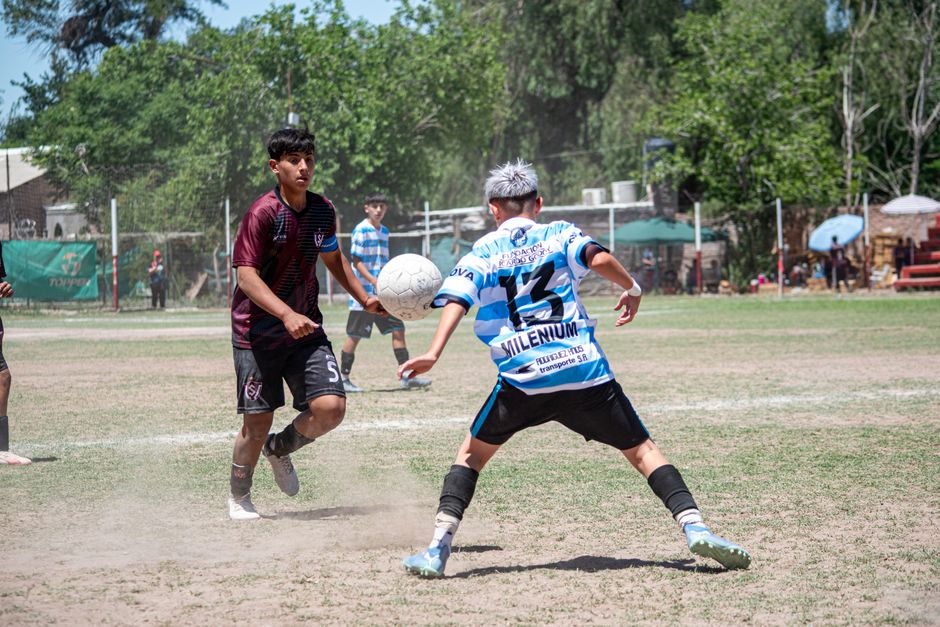
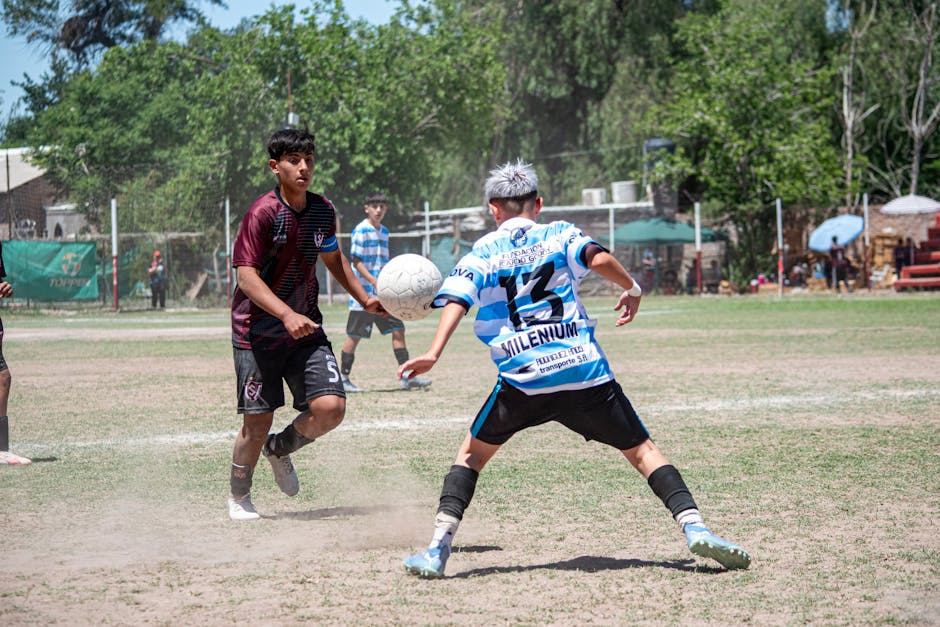
A positive environment is non-negotiable. Research into the benefits of youth sports shows that when kids have a great experience, they develop better social behaviors, stay in school longer, and adopt healthier habits. We look for coaching that builds the person, not just the player.
Prioritizing Fun and Motivation
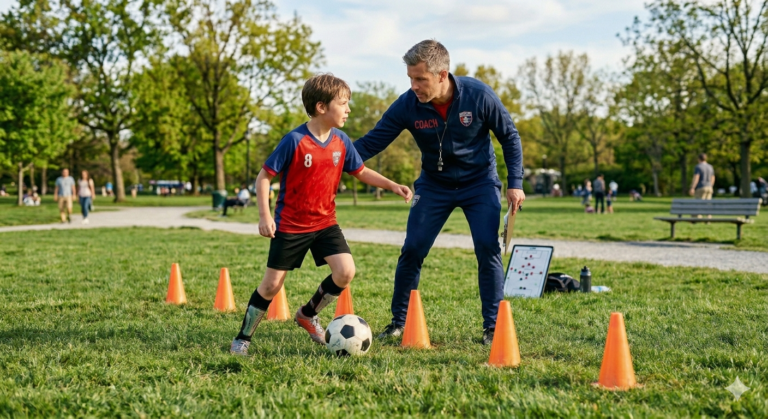
If a child isn’t having fun, they aren’t learning. It’s that simple. We believe in high-energy sessions where the coach acts more like a mentor and a peer than a drill sergeant. This is why peer-led inspiration is so powerful. When a younger player sees a teenager or young adult playing at a high level and enjoying it, they see a roadmap for their own future. This connection fosters a deep love for the game that keeps them coming back week after week.
Maximizing “Ball Rolling” Time
One of the biggest red flags in soccer coaching for kids is the “Line, Lecture, Laps” trio. If you see kids standing in a long line waiting to kick one ball, they aren’t developing. Expert standards suggest that “ball rolling” time should be at least 70% of the session.
To achieve this, we follow a simple rule: one ball per player whenever possible. In the Foundation Phase (ages 8-12), at least 50% of the group should be active at any given second. If you want to dive deeper into these professional standards, the Introduction to Soccer Coaching Course provides excellent frameworks for maximizing activity.
Fundamental Principles of Effective Youth Coaching
Effective coaching is both an art and a science. The “science” is the soccer knowledge—the techniques of passing, shooting, and dribbling. The “art” is knowing how to communicate that knowledge to a 7-year-old who might be more interested in a butterfly flying past the pitch.

We utilize “drive-by coaching,” which involves giving quick, 5-to-10-second bits of feedback to a player while the game is moving, rather than blowing the whistle and stopping the fun for everyone. Coaching interventions should almost always be kept to one minute or less.
Effective Communication Techniques
How we speak to kids matters as much as what we say. We use techniques like:
- Question and Answer: Instead of saying “Pass there,” we ask, “Where is the open space?” This forces the player to think.
- Guided Discovery: We set up scenarios where the player “discovers” the solution through trial and error.
- Positive Reinforcement: We catch them doing something right. A simple “Great vision, Johnny!” goes further than a lecture on tactics.
- Drip-feeding Information: We don’t overwhelm them. We give one small piece of advice, let them practice it, and then move to the next.
The Role of Play in Skill Development
Play is the primary way children learn. In soccer, this means using game-based learning. Instead of isolated drills, we use small-sided games. These games naturally include opposition, goals, and boundaries, which mirror the real game. This develops not just the “how” (technique) but the “when and why” (decision making). When kids are playing a game like “Sharks and Minnows,” they are practicing dribbling under pressure without even realizing they are “working.”
Age-Appropriate Soccer Coaching for Kids
A 6-year-old and a 12-year-old have completely different physical, cognitive, and social needs. Effective soccer coaching for kids must adapt to these developmental stages.
Soccer Coaching for Kids at the U8 Level
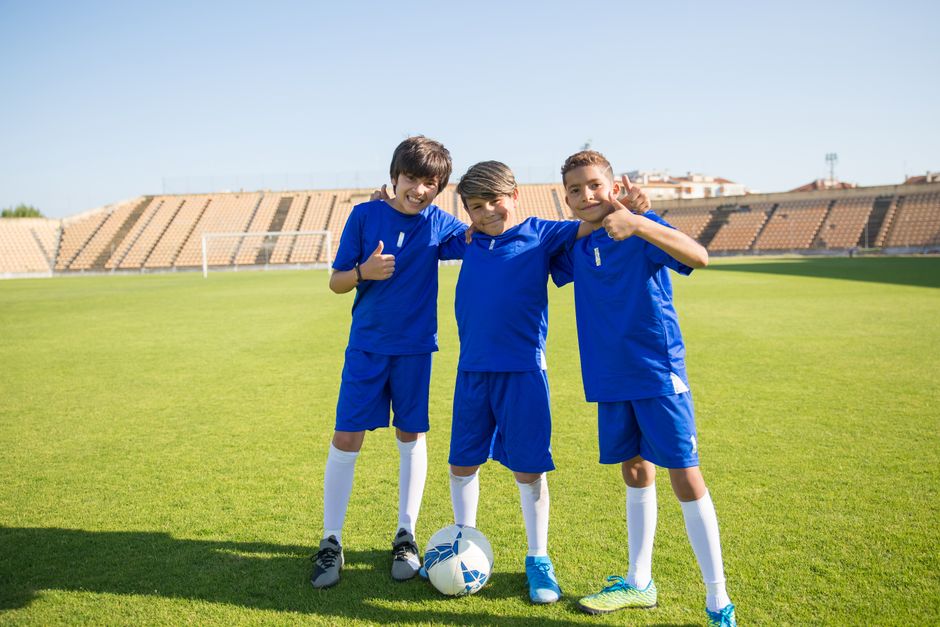
At the U8 level (ages 7-8), kids are in a “me” phase. They often want to keep the ball to themselves, and that’s okay! This is the best time to develop individual ball mastery.
- Psychomotor: Focus on balance, coordination, and agility.
- Cognitive: Keep instructions very simple. Their attention spans are short.
- Social: They are starting to learn how to cooperate with a partner.
We love using themed games like “Pirates of the Pugg” (protecting the ball in the goal) or “Dutch 4v4” styles. These small formats ensure every kid gets hundreds of touches on the ball.
Soccer Coaching for Kids in the U10-U12 Phase
As kids move into the U10 and U12 brackets, they begin to understand more complex concepts. This is where we introduce:
- Tactical Awareness: Understanding space, depth, and width.
- Passing Patterns: Learning how to move the ball as a unit.
- Transitions: What to do the moment you lose the ball or win it back.
For parents looking to understand the leap from basic play to structured training, you can find more info on U10 coaching basics to help guide your expectations.
Essential Equipment and Session Planning
A professional session starts with the right gear. You don’t need a stadium, but you do need the essentials to keep the session organized and safe.
The Coach’s Checklist:
- Size 4 Balls: The standard for most youth players (Size 3 for U8 and under).
- Cones and Bibs: Essential for defining boundaries and different teams.
- Portable Goals: To ensure every game has a target.
- First Aid Kit & Pump: Safety first, and no one likes a flat ball.
- Parent Contact List: For quick communication regarding weather or emergencies.
Structuring a 60-Minute Practice
We generally follow a “Play-Practice-Play” or a structured four-part framework:
- Arrival Activity (10 mins): A small-sided game (like 2v2) that starts as soon as the first two kids arrive. No standing around!
- Theme-Based Skill (20 mins): A fun activity focused on a specific skill like “dribbling to beat an opponent.”
- The Game (20 mins): A larger scrimmage where we look for the theme of the day to show up in play.
- Cool-down & Review (10 mins): A quick recap where we ask the players what they learned.
Avoiding Common Coaching Mistakes
We pride ourselves on avoiding the “Three L’s” that kill motivation:
- No Laps: Running laps is for track, not soccer. If we want them to get fit, we do it with a ball at their feet.
- No Lectures: If the coach is talking for more than 60 seconds, the kids are zoning out.
- No Elimination Games: In “Knock Out,” the kids who need the most practice are the ones who get knocked out first and sit on the sidelines. We prefer “re-entry” rules so everyone keeps playing.
Local Training Excellence in Charleston and Mount Pleasant
The Lowcountry is a fantastic place for youth soccer. From the fields at the Isle of Palms Recreation Center to the competitive atmosphere at Daniel Island and Summerville, there is a deep culture of the game here.
Being hyper-local means we understand the specific challenges and opportunities for players in Charleston, Mount Pleasant, Sullivan’s Island, and North Charleston. Whether your child is playing for a local club or just starting out in a rec program at James Island, supplemental private training can provide the edge they need.
We draw inspiration from the Charleston Battery, showing our players that high-level soccer is right here in our backyard. Our mentoring approach isn’t just about showing them how to kick; it’s about being a relatable peer who understands the local league structures and what it takes to succeed in South Carolina youth soccer.
Frequently Asked Questions about Youth Soccer
What equipment does my child need to start?
At a minimum, your child needs a pair of soccer cleats (or turf shoes), shin guards, and a water bottle. For home practice, having their own ball (Size 3 for under 8, Size 4 for ages 8-12) is the best way to improve quickly.
How can I tell if a coaching program is “player-centered”?
Watch a session. Are the coaches talking at the kids or with them? Does every kid have a ball? Is the coach celebrating effort and creativity, or only focusing on the score? A player-centered program will have individual development plans and focus on the child’s specific needs.
Why do so many kids stop playing soccer by age 14?
The statistics are jarring: 70% of kids quit by 14. This usually happens because the “fun” is replaced by “work.” When the pressure to win outweighs the joy of playing, kids burn out. Choosing a coach who prioritizes a love for the game is the best way to ensure your child stays active for life.
Conclusion
Finding the right soccer coaching for kids is about more than just finding a team; it’s about finding a mentor who can spark a lifelong passion. At Olly on the Ball, we specialize in that spark.
By focusing on personalized, one-on-one and small-group training in Charleston and Mount Pleasant, we ensure that your child gets the “ball rolling” time they need to master fundamental skills. Whether we are training on Daniel Island or at a park in Mount Pleasant, our goal is to build ball control, passing, and shooting skills in an environment that is always positive and relatable.
Ready to take your child’s game to the next level with a coach who is also a high-level peer player?
Book a Private Session with Olly on the Ball today and let’s get to work!