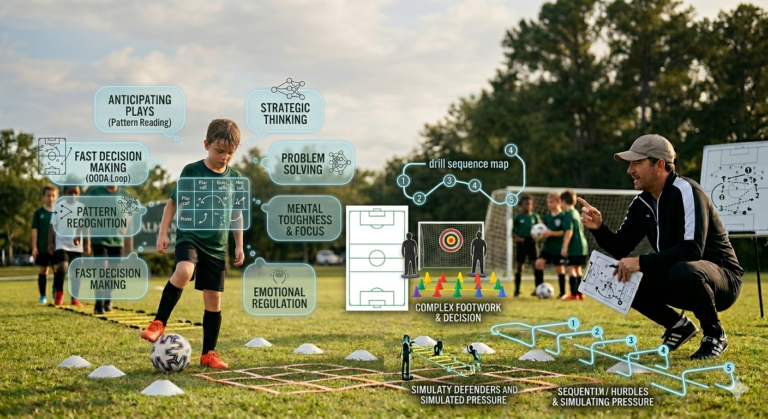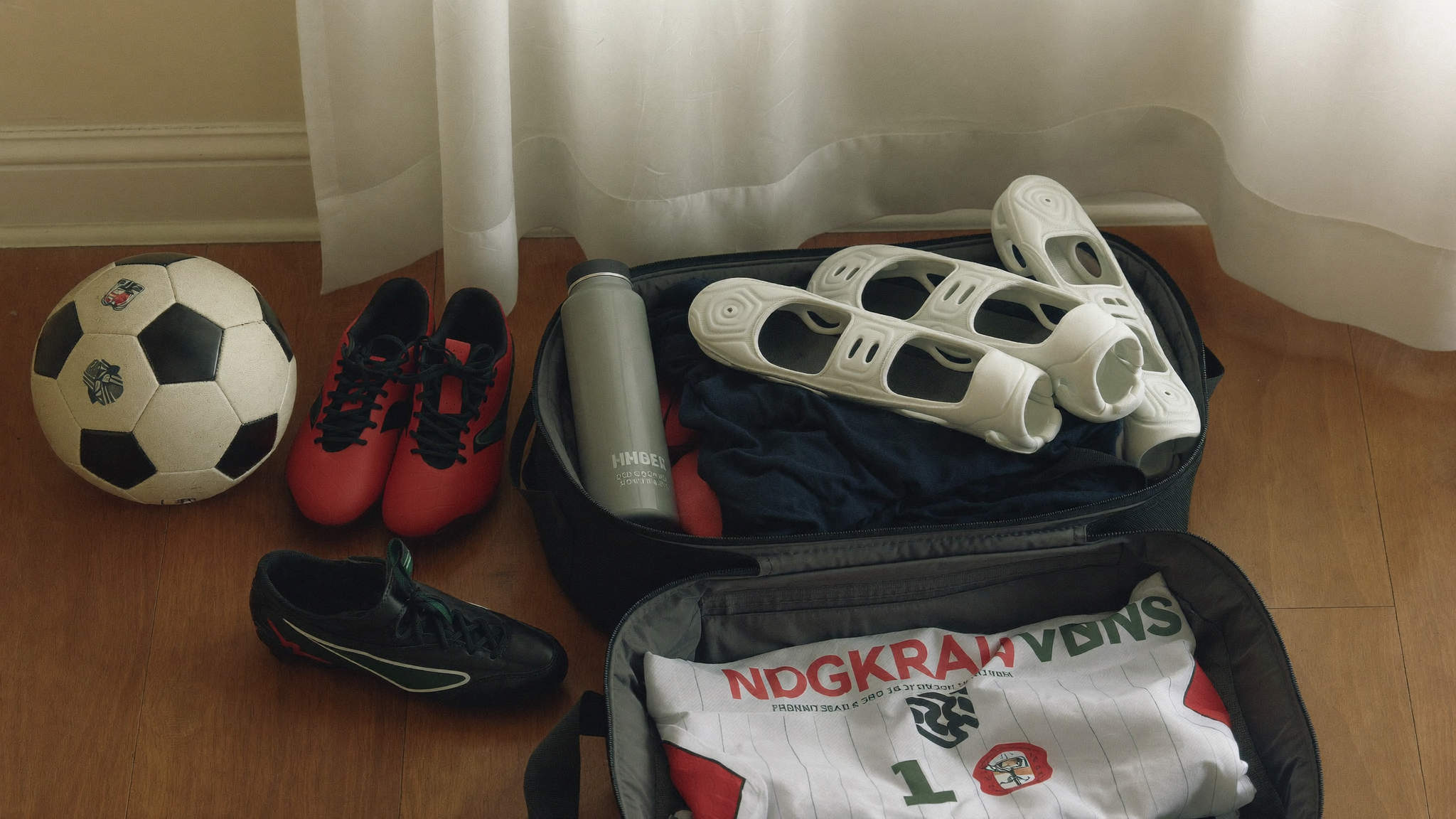


Not making a soccer team is one of the worst days in youth sport, and the drive home afterwards is genuinely hard for everybody in the car. I’m Olly — I\x27m 16, I play for Surf, and I’ve been cut. It’s not a thing coaches enjoy doing and it’s not a thing players forget quickly.
This is written for both of you: the player who didn’t get the call, and the parent trying to work out what to say. There’s a version of the next few months where this turns into the best thing that happened to a player’s season, and a version where they quit. The gap between those two is mostly about what happens in the first week.
The first 48 hours: don’t fix anything
The instinct is to immediately make a plan. Extra training, a new club, a list of things to work on. Resist it for a couple of days.
A kid who’s just been told they weren’t good enough doesn’t need a development plan, they need to be allowed to be upset about it. If you jump straight to solutions, the message lands as “you were right to feel bad, let’s fix you.” That’s not what you mean, but it’s what gets heard.
What actually helps: “That’s rubbish, I’m sorry.” Then leave it. Let them be annoyed, let them not want to talk about it, let them not touch a ball for a few days.
What doesn’t help: telling them the coach got it wrong. Even when you think it, saying it out loud teaches a player that setbacks are other people’s fault — which is the single most limiting thing a young athlete can believe.
Then: get the actual reason
After a few days, email or ask the coach one question: “What would you want to see different if he tried out again next year?”
Phrased that way, most coaches give you something specific and useful. Phrased as “why didn’t she make it,” you’ll get a polite non-answer.
The reasons are more often than not one of these, and almost none of them are about talent:
- Roster maths. They needed two defenders and had nine. This happens constantly and has nothing to do with the player.
- Age banding. A player born late in the year competing against kids eleven months older. Real, common, and it evens out.
- One clear technical gap — usually first touch or weak foot.
- Body language. Head down after a mistake, not tracking back, switching off when not involved. This gets more players cut than skill does, and it’s the most fixable thing on the list.
Whatever comes back, write it down. That’s your whole plan for the next few months.
Keep them playing — somewhere
The biggest risk after a cut isn’t that a player falls behind. It’s that they stop.
Get them into something within a few weeks: a rec team, a school team, futsal, a pickup game at the park. It doesn’t need to be the “right” level. It needs to be soccer they enjoy while the sting fades. Players who take six months off after a cut usually don’t come back.
Rec is genuinely fine, by the way. Plenty of players spend a year there, work on one thing, and walk into a club team the following season. I’ve written about how rec and club actually compare if you’re weighing it up.
Work on one thing — and only one
This is where the year gets won. A player who tries to improve everything improves nothing. A player who picks one thing from the coach’s feedback and hammers it for six months turns up visibly different.
If the feedback was first touch: a wall, fifteen minutes, most days. Nothing beats it.
If it was weak foot: ten minutes a day, weak foot only, for a whole winter. This is the one that changes a player’s ceiling. The weak foot drills take no space.
If it was fitness or work rate: that’s the easiest one to fix and the most visible to a coach.
If it was confidence or body language: that doesn’t come from a drill. It comes from being good enough at something that you stop worrying. Which loops back to reps. There’s more in building soccer confidence in young players.
Whatever it is, the off-season is the right window for it. Nobody’s watching, nothing’s on the line, and a player is allowed to be temporarily bad at something while they learn it properly — see off-season soccer training for a realistic weekly plan.
For the parent: the things worth saying
Some of this is just knowing what to have ready.
- “Plenty of people you’d recognise got cut.” True, and it helps more than you’d expect. Being cut at 11 predicts very little about being good at 17.
- “What do you want to do about it?” Asked genuinely, not rhetorically. Let them own the answer, even if it’s “nothing right now.”
- “You’re allowed to still want it.” Some kids pretend not to care to protect themselves. Give them permission to admit it mattered.
- Nothing at all, sometimes. Being in the room is often the whole job.
And watch for the difference between a kid who’s disappointed and a kid who’s genuinely lost their love for it. Disappointment fades in a couple of weeks. If it hasn’t after a month or two — if they’re avoiding the sport entirely, or it’s bleeding into school and sleep — that’s worth a proper conversation, and worth asking for help with.
The honest bit
Some players don’t make it the next year either. That happens, and pretending otherwise isn’t fair to anyone.
But the version of this that matters isn’t whether they make a specific team. It’s whether they’re still playing at 16, still enjoying it, and still getting better. I know players who were cut twice and are now the best in their age group, and I know players who made every team at 10 and quit at 13 because it stopped being fun.
The long game is the only game. Outwork yesterday’s version of yourself and let the teams sort themselves out.
Frequently asked questions
What should I say to my child after they didn’t make a soccer team?
Acknowledge it honestly — “that’s rubbish, I’m sorry” — and then don’t rush to fix it. Give them a few days before talking about next steps. Avoid criticising the coach’s decision, even if you disagree with it.
Should I ask the coach why my child was cut?
Yes, but frame it forward: ask what they’d want to see different next time. That almost always gets a more specific and more useful answer than asking why they weren’t selected.
How long does it take kids to get over being cut from a team?
Usually a couple of weeks for the sting to fade, especially if they’re playing somewhere else in the meantime. If it’s still affecting them a month or two later, or spilling into school and sleep, it’s worth a longer conversation.
Should my child try out for the same club again next year?
Often yes — coaches generally respect a player who comes back visibly improved, and they already know them. Just make sure the year in between was spent on the specific thing the coach flagged.
Is it better to play rec after being cut from club?
Usually, yes. Playing regularly and enjoying it does more for a player at this age than sitting out and training in isolation. Rec plus individual work on one weakness is a strong combination.
How can my child improve before the next tryout?
Pick one thing from the coach’s feedback and work on it for ten to fifteen minutes most days. Consistency over months beats intensity over weeks, every time.
If you want a hand
If your player is coming off a tough tryout and you want someone to work on the one thing the coach flagged, get in touch. Tell me what the feedback was and I’ll build the sessions around it.
Confidence comes from reps. Train hard, stay confident.
About Olly: Oliver “Olly” Sovenyhazy is a 16-year-old soccer player with Surf and a volunteer with the professional Charleston Battery. Through Olly on the Ball, he coaches private, semi-private and small-group soccer training for young players across Mount Pleasant and the Charleston area.