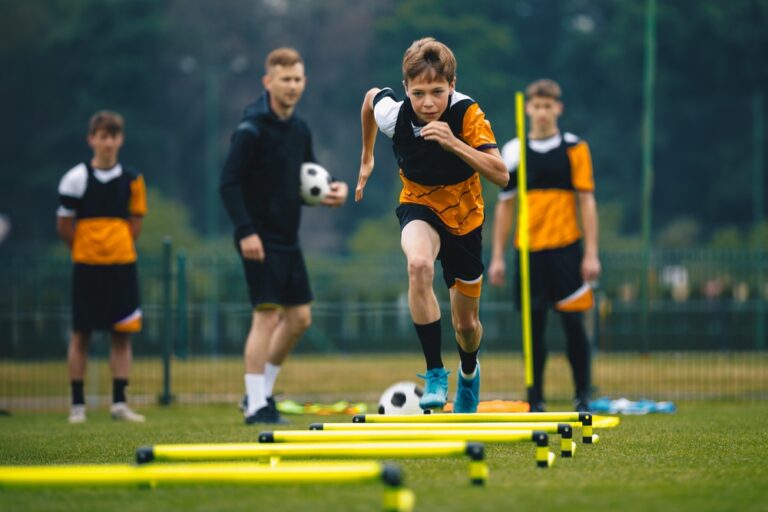


Once school starts back, the calendar gets full fast. Homework, team practice, family life — finding time for extra soccer work can feel impossible. But the players who keep improving through the school year are usually the ones who found a rhythm that fits their week. This guide covers after-school and weekend soccer training in Mount Pleasant and how to make extra reps work without burning your family out. I’m Olly, I play for Surf and train younger players around Mount Pleasant, and I coach plenty of kids who are juggling a packed schedule.
Why Extra Training Still Matters During the School Year
Team practice is built for the team. It has to split time across a whole roster, which means any one player only gets so many touches. Individual or small-group training fills that gap — it targets exactly what your child needs, whether that’s their weak foot, their confidence, or their speed of play.
During the season, that focused work compounds. A player getting even one extra quality session a week pulls ahead of one relying on team practice alone. The key is fitting it in without adding stress. Our look at private vs. small-group training can help you decide which format fits your child and your schedule.
After-School Sessions: Short and Focused
Weekday training works best when it’s short and purposeful. Nobody wants a two-hour session after a full school day, and they don’t need one.
- Keep it to 45 minutes to an hour. Focused work beats long and tired every time.
- Pick a consistent day. Same afternoon each week builds a rhythm the whole family can plan around.
- Target one thing. One session might be all first touch and dribbling; the next, finishing. Specific beats scattered.
A weekday session right after school, while the energy’s still up, often works better than trying to squeeze one in late in the evening. And a snack beforehand matters — our nutrition guide covers quick pre-session fuel.
Weekend Training: More Time, More Reps
Weekends are where you can go a little deeper. There’s usually more time and less rush, so it’s a good window for a longer session or small-group work with friends.
- Use a morning slot before the day fills up — energy and focus are highest early.
- Consider a small-group session with a teammate or two; kids push each other and it splits the cost.
- Balance it with rest. A weekend should include real recovery, not just more soccer.
Weekend sessions are also a great time to work on the mental and game-understanding side, since there’s room to talk through decisions without a clock running.
Building a Weekly Rhythm That Lasts
The families who make extra training stick don’t rely on motivation — they rely on a routine. Here’s a simple, sustainable shape for a busy school-year week:
- Team practice on its scheduled days.
- One short individual session midweek after school.
- One longer session or small-group on the weekend.
- A few 15-minute solo touches at home on the in-between days.
- At least one full rest day. Recovery is part of the plan, not a break from it.
That’s a genuinely doable week that keeps a young player improving all season without wearing them out. Consistency, not intensity, is what carries a player forward.
Don’t Forget Recovery and Balance
More is not always better. A young player who’s overloaded gets tired, loses their spark, and sometimes their love for the game. The best schedules protect rest as carefully as they schedule training.
Watch for signs of burnout — dreading practice, constant tiredness, nagging little injuries. When you see them, pull back. A kid who stays excited about soccer will out-improve one who’s grinding through exhaustion every time. Coaching that fits into a healthy home routine is the whole idea, and it’s part of good at-home coaching too.
Frequently Asked Questions
How can my child fit soccer training into a busy school year?
Keep weekday sessions short and focused — 45 minutes to an hour on a consistent afternoon — and save longer or small-group work for the weekend. Add a few 15-minute solo touch sessions at home on other days, and protect at least one full rest day. A simple, repeatable rhythm beats occasional long sessions.
How long should after-school soccer sessions be?
For most young players, 45 minutes to an hour is ideal after a full school day. Focused, high-quality reps matter far more than length, and a shorter session keeps energy and enthusiasm up. Target one skill per session rather than trying to cover everything.
Is weekend soccer training better than weekday?
They serve different purposes. Weekday sessions are best kept short and focused; weekends offer more time for longer work, small-group play with friends, and the game-understanding side. The strongest routines use both, plus real rest.
How do I keep my child from burning out during the season?
Protect rest as deliberately as you schedule training, watch for signs like dreading practice or constant tiredness, and pull back when you see them. Keep sessions short and fun. A player who stays excited about the game improves faster than one grinding through exhaustion.
Is small-group training a good option for busy families?
Yes — small-group sessions with a teammate or two let kids push each other, often fit weekend schedules well, and split the cost. They’re a practical way to add quality reps without the full commitment of frequent one-on-one sessions.
Find a Rhythm That Works, With Olly
Extra training doesn’t have to take over your family’s week. Keep it short, consistent, and balanced with rest, and your player keeps improving all school year. If you want to build a schedule that fits, you can reach out to Olly here in Mount Pleasant.
About Olly
Olly Sovenyhazy is a 16-year-old Surf player and Charleston Battery volunteer who trains younger athletes around Mount Pleasant and Charleston, SC. He coaches the way he trains: real reps, clean technique, and confidence built through consistency. For guidance on healthy youth-sports schedules, US Youth Soccer offers helpful resources for families.