

You can do all the training in the world, but if a young player shows up to a game running on an empty stomach or a bag of candy, it shows. What to eat before a soccer game is one of the most common questions I get from parents, and it’s a good one — fuel affects energy, focus, and how a kid feels in the last ten minutes. I’m Olly, I play for Surf and train younger players around Mount Pleasant. Here’s a simple, no-stress guide to feeding a young soccer player for game day and beyond.
The Simple Rule: Carbs for Fuel, and Time It Right
Young athletes run mostly on carbohydrates. That’s the fuel that powers sprints, recovery between plays, and staying sharp late in a game. The trick isn’t eating a huge meal — it’s eating the right thing at the right time.
Here’s the basic timing:
- 2 to 3 hours before: a normal balanced meal with carbs, some protein, and light on heavy fats.
- 30 to 60 minutes before: a small, easy-to-digest carb snack if they need a top-up.
- Skip: greasy, heavy, or brand-new foods right before a game.
The goal is energy without a heavy stomach. A player who’s overstuffed feels sluggish; one who’s empty runs out of gas.
Good Pre-Game Meals (2–3 Hours Out)
This is the real meal, eaten with enough time to digest. Keep it familiar and carb-forward.
- Pasta with a light sauce and some grilled chicken.
- A turkey sandwich on whole-grain bread with fruit.
- Rice with lean protein and some veggies.
- Oatmeal with banana and a little honey (great for morning games).
Nothing fancy. The best pre-game meal is a normal, balanced one your child already likes and digests well. Game day is not the time to experiment.
Good Pre-Game Snacks (30–60 Minutes Out)
If the real meal was a while ago, a small snack tops off the tank. Keep it light and simple.
- A banana or an apple.
- A granola bar.
- A handful of crackers or pretzels.
- A small applesauce pouch.
These digest fast and give a quick energy boost without weighing a player down. Avoid anything super sugary right before — the sugar spike is followed by a crash at exactly the wrong time.
Hydration Matters as Much as Food
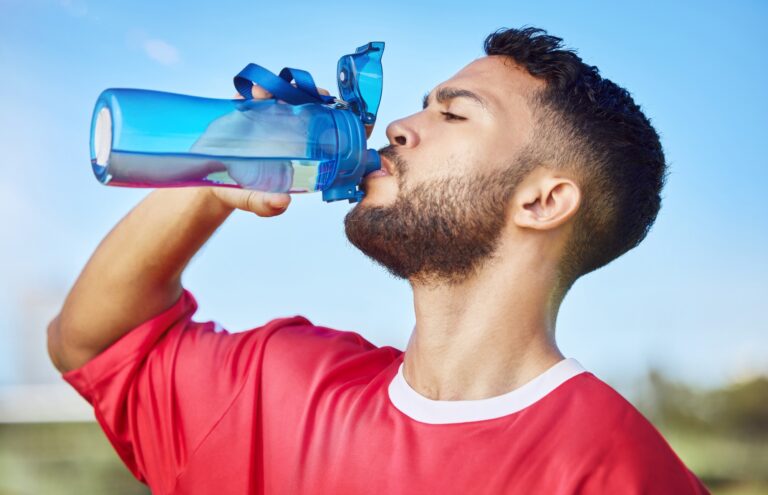
In Charleston heat, hydration is half the battle. A dehydrated player fades fast and cramps up, no matter how well they ate.
- Drink water steadily through the day, not just at kickoff.
- Have a full water bottle at the game and sip during breaks.
- For long games or hot days, a sports drink can help replace what’s lost through sweat — but water covers most youth games fine.
A simple check: if your player isn’t needing the bathroom or their urine is dark, they need more water. Start hydrating the day before a big game, not an hour before.
After the Game: Recovery Fuel
What happens after matters too, especially with back-to-back games or tournaments. Within about an hour of finishing, a mix of carbs and protein helps the body recover.
Easy options: chocolate milk (genuinely one of the best recovery drinks), a sandwich, fruit and yogurt, or just a normal balanced meal. Recovery fuel is how a player bounces back sharp for the next session. If your child is training or playing a lot this season, our guide to keeping skills sharp pairs well with a good recovery routine.
Building Good Habits That Last
The real win isn’t one perfect pre-game meal — it’s habits. A young player who eats well and hydrates consistently has more energy for every practice, recovers faster, and feels better on the field.
Keep it positive and simple. This isn’t about strict diets or cutting things out. It’s about fueling a growing athlete so they can train with intensity and play with freedom. Good energy on the field starts at the kitchen table, and it supports everything from agility work to a strong finish at a tryout.
Frequently Asked Questions
What should my child eat before a soccer game?
Two to three hours before, serve a balanced, carb-forward meal your child digests well — pasta with lean protein, a turkey sandwich, or oatmeal with banana for morning games. If it’s been a while, add a light snack like a banana or granola bar 30 to 60 minutes before. Avoid greasy or brand-new foods on game day.
How long before a game should a young player eat?
Aim for a full meal 2 to 3 hours before kickoff so it has time to digest, then a small carb snack 30 to 60 minutes before if needed. Eating a big meal too close to game time leaves players feeling heavy and sluggish, while eating too early leaves them running low.
What should young soccer players drink for hydration?
Water is the main drink for most youth games — sipped through the whole day, not just at kickoff. On hot Charleston days or during long games, a sports drink can help replace sweat losses. Start hydrating the day before a big game rather than trying to catch up an hour before.
What should kids eat after a soccer game?
Within about an hour, a mix of carbs and protein helps recovery — chocolate milk, a sandwich, or fruit with yogurt all work well. Recovery fuel matters most with back-to-back games or tournaments, helping a young player bounce back sharp for the next one.
Are sugary snacks bad before a game?
A big sugar hit right before playing usually causes a quick spike and then a crash at the worst time. A small amount of natural sugar from fruit is fine, but skip candy and sugary drinks in the final hour. Stick to simple carbs like a banana, crackers, or a granola bar instead.
Fuel the Player, Train With Olly
Good nutrition powers everything a young player does on the field. Keep it simple, time it right, and hydrate well, especially in Charleston heat. When your player is fueled and ready to put in real reps, you can train with Olly here in Mount Pleasant.
About Olly
Olly Sovenyhazy is a 16-year-old Surf player and Charleston Battery volunteer who trains younger athletes around Mount Pleasant and Charleston, SC. He coaches the way he trains: real reps, clean technique, and confidence built through consistency. For pediatric sports-nutrition guidance, the American Academy of Pediatrics’ HealthyChildren.org is a trustworthy resource.