
Why Free Football Drills for Youth Are a Game-Changer
Free football drills for youth are one of the best ways to build real skills without spending a penny — here are some top picks to get started right away:
Quick-start drills you can run today:
- Sharks and Minnows — dribbling under pressure, ages 4-8, 20×25 yard grid
- Criss-Cross Dribbling Game — head-up dribbling, ages 4-12, 30×30 yard area
- Ball Hog Turning Drill — shielding and turns, ages 6-11, 20×20 yard grid
- Dribbling at the Cone — fakes and feints, all beginners, 20×10 yard grid
- 1v1 Reaction Gate Challenge — decision-making and defending, ages 4+, 10×10 yard space
- Power + Finesse Shooting — shot power and placement, ages 9+, near goal
Every successful young player has one thing in common: they master the fundamentals early.
Whether your child just kicked their first ball at a recreational league in Mount Pleasant, or they’re grinding to make the A-team at their club, the right drills make all the difference. And the good news? The best drills don’t cost anything.
Youth football development isn’t about flashy equipment or expensive camps. It’s about repetition, fun, and building confidence — one touch at a time. The Lowcountry soccer scene is full of talented young players, and what separates the ones who improve fastest is simple: they practice the basics, consistently.
But here’s the challenge most parents and coaches face — knowing which drills to use, how to run them, and how to keep kids engaged long enough to actually learn something.
That’s exactly what this guide is here to solve.
At Olly on the Ball, we believe that mastering the basics—ball control, passing, and game awareness—is the foundation for everything else. Whether you are practicing at Alhambra Park in Mount Pleasant or a local field in Daniel Island, these drills help players develop versatility. A player who can dribble out of pressure and pass accurately is a player who can contribute in any position on the field.
For our younger ballers (U5 to U8), the focus should be almost entirely on the “me and my ball” relationship. As they grow into the U9 to U14 brackets, we start introducing more tactical awareness and small-sided competition. Using classic games like the Sharks and Minnows Soccer Drill is a perfect example of how to teach high-level concepts like shielding and spatial awareness through pure, unadulterated fun.
Essential Gear and Practice Structure for Lowcountry Ballers
One of the biggest myths in youth sports is that you need a trunk full of expensive gadgets to get better. In reality, you can run a world-class training session with just a few basics.
The “Piggy Bank” Equipment List
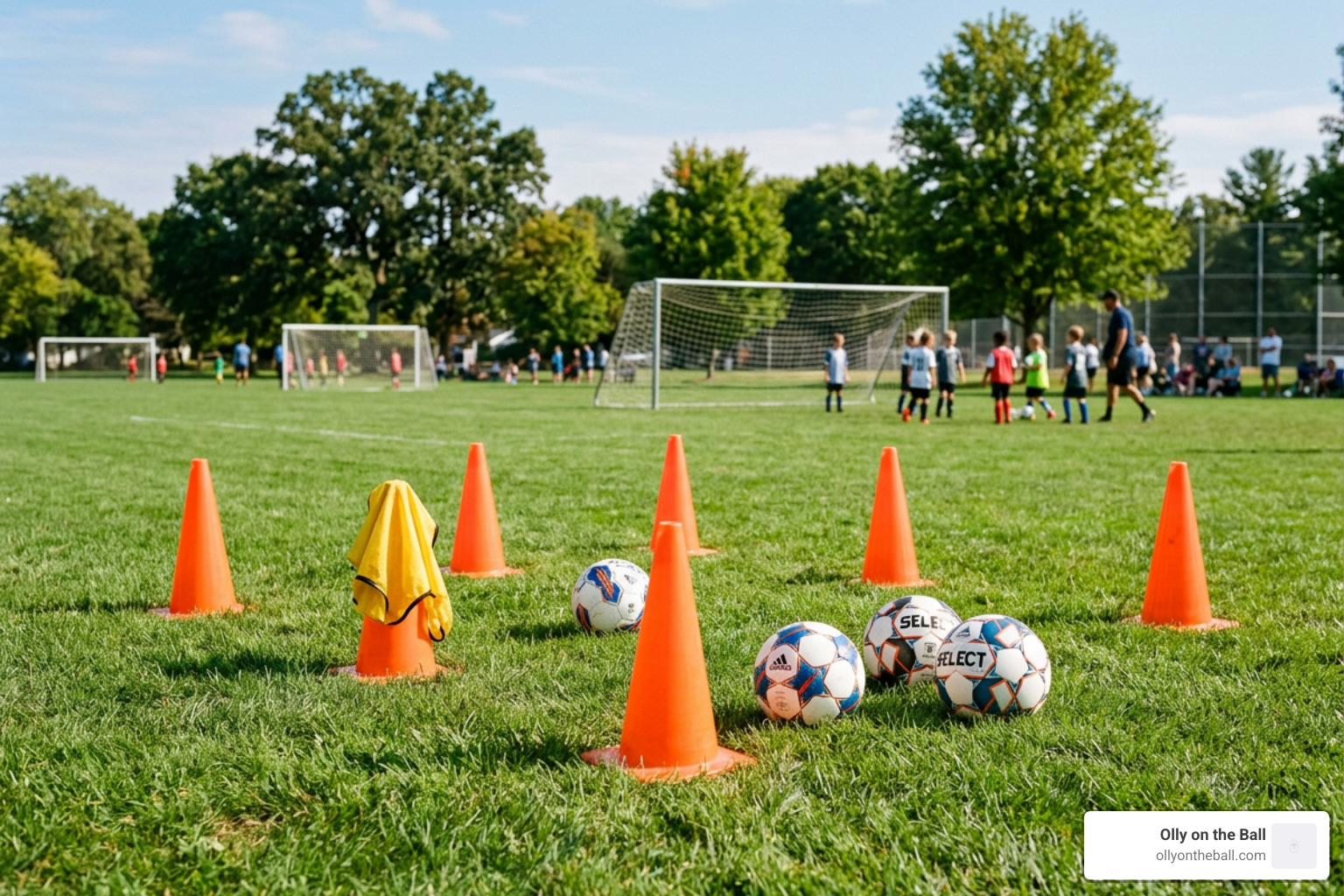
- Soccer Balls: Ideally one per player. If you’re training solo, two or three help keep the rhythm going without constant chasing.
- Disc Cones: These are the “Swiss Army Knife” of coaching. You can use them to mark boundaries, gates, or obstacles. If you’re in a pinch at a park in Summerville, even a few old t-shirts or water bottles can mark a goal!
- Scrimmage Vests (Pinnies): Essential for splitting into teams quickly.
- A Pump: Because nothing kills the vibe like a flat ball.
How to Structure Your Session
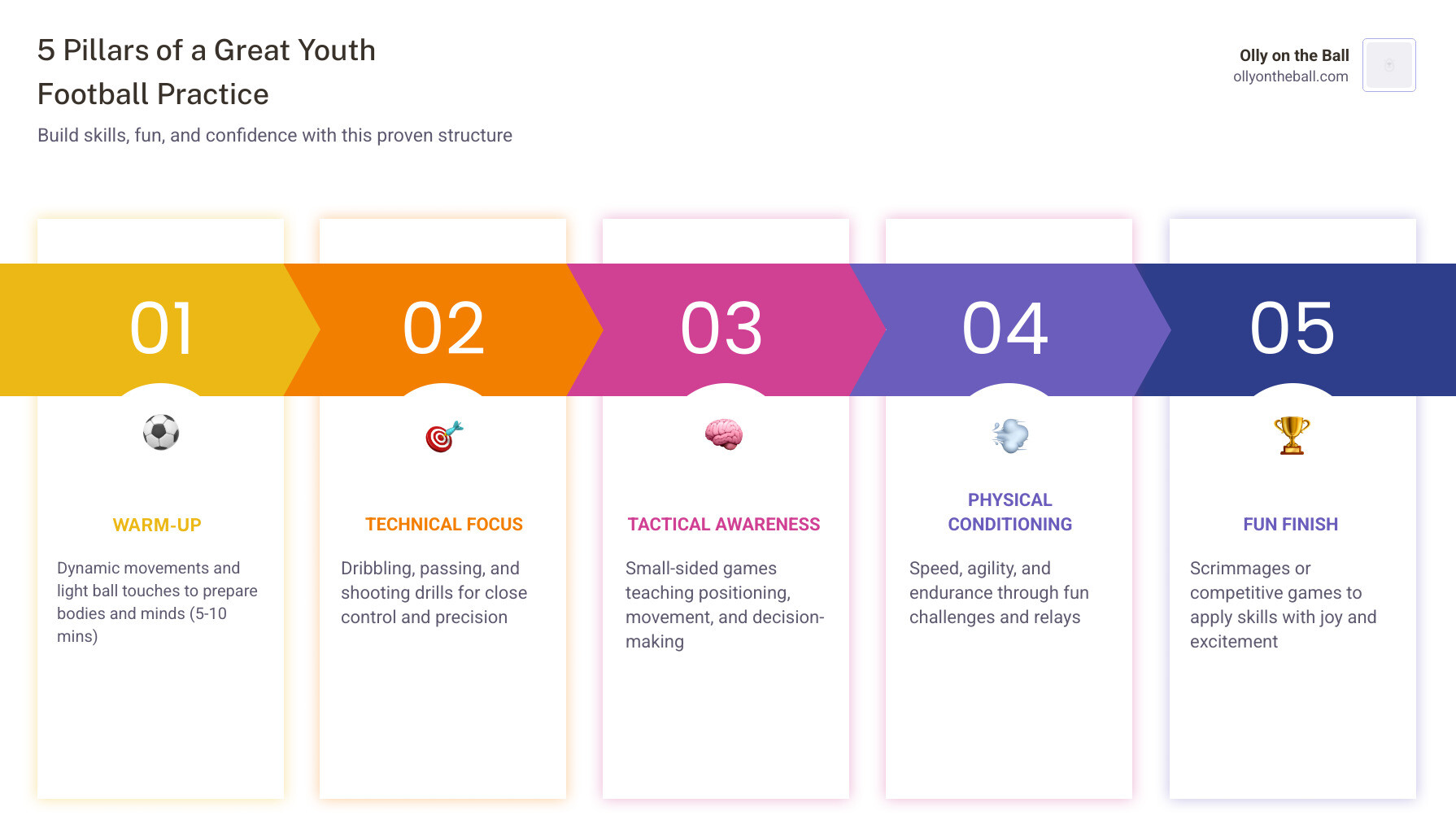
We recommend a simple four-part structure to keep players focused and energized:
- The Warm-Up (10-15 mins): Get the blood flowing. Use dynamic movements or a low-intensity ball mastery game.
- Technical Focus (15-20 mins): This is where you introduce your free football drills for youth focusing on a specific skill like passing or dribbling.
- Small-Sided Games (20 mins): Put the skill into a game-like context (2v2 or 3v3). This forces players to use the skill under pressure.
- The Fun Finish (10 mins): Always end on a high note with a shooting gallery or a favorite game.
Staying Safe in the Charleston Heat
We love our Lowcountry sun, but safety is priority number one. Whether you’re training on James Island or North Charleston, always check the field for “surprises” (potholes or debris) before starting. Hydration breaks aren’t optional—they are mandatory every 15-20 minutes, especially during our humid summer months.
Avoid the common coaching mistake of “lecturing” while the kids stand in the sun. Keep explanations under 60 seconds and get them moving! For more inspiration on high-energy movements, check out these 18 Football Drills Every Football Player Needs! to see how pros maintain intensity.
7 Best Drills for Skill Mastery and Fun
To keep kids coming back, you have to gamify the experience. Competition breeds engagement. If a drill feels like a chore, they won’t put in the effort. If it feels like a challenge to win, they’ll give you 110%.
| Drill Name | Primary Focus | Difficulty | Best Age Group |
|---|---|---|---|
| Sharks & Minnows | Dribbling/Shielding | Easy | 4-8 |
| Criss-Cross | Awareness/Vision | Medium | 6-12 |
| Ball Hog | Turning/Control | Medium | 6-11 |
| Dribbling at Cone | Fakes/Feints | Easy | 5-10 |
| The Gauntlet | Speed/Dribbling | Medium | 8-14 |
| 1v1 Reaction | Defending/Agility | Hard | 8+ |
| Power + Finesse | Finishing | Medium | 9+ |
Top Dribbling and Passing Free Football Drills for Youth
Dribbling is the “heartbeat” of soccer. Here are our favorite ways to build it:
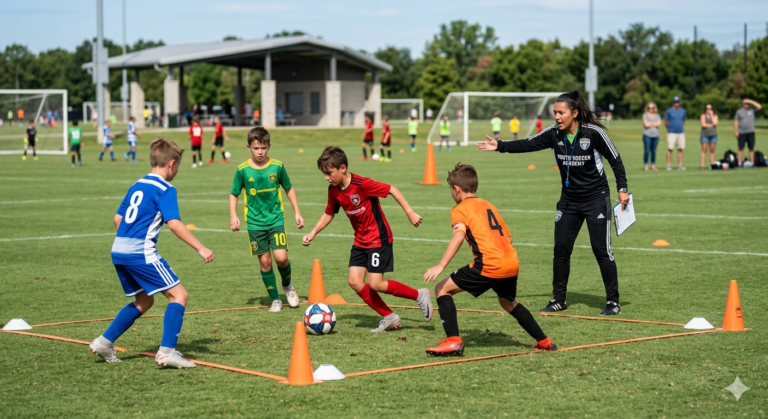
- Sharks and Minnows Soccer Drill: This classic never gets old. Set up a 20×25 yard grid. “Minnows” try to dribble from one side to the other while “Sharks” try to kick their balls out. It teaches kids to keep the ball close and use their body to shield.
- Criss-Cross Dribbling Game: This is fantastic for “heads-up” dribbling. Four teams start in corners and have to dribble to the opposite corner through a crowded middle. It forces players to look up and find gaps in “traffic.”
- Ball Hog | Turning Drill: In a 20×20 grid, 75% of players have balls (the Hogs) and 25% don’t. The Hog-less players try to steal a ball. It’s all about using tight turns and shielding to protect your “property.”
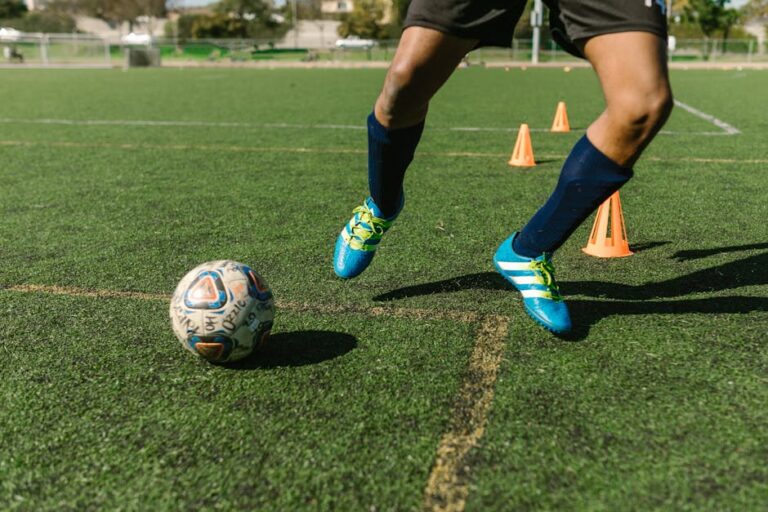
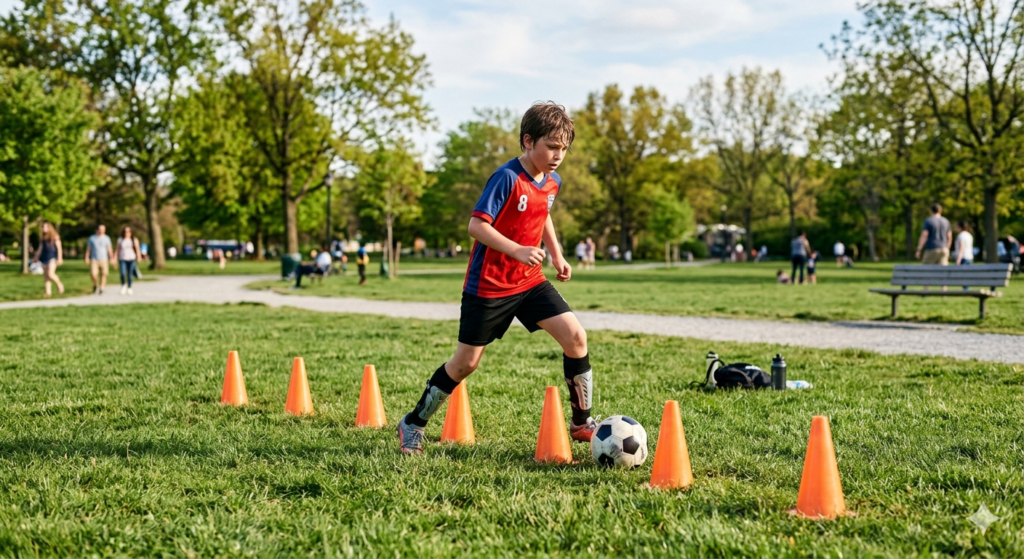
- Dribbling at the Cone: A simple but effective way to learn fakes. Players dribble at a cone, perform a move (like a step-over), and then use a “burst of speed” to accelerate past it.
- Down and Back Dribbling Game: A relay-style race that emphasizes speed with the ball. It’s great for building that “second gear” after you beat a defender.
Shooting and Defending Challenges
Once you can move the ball, you need to know how to protect it and how to put it in the back of the net.
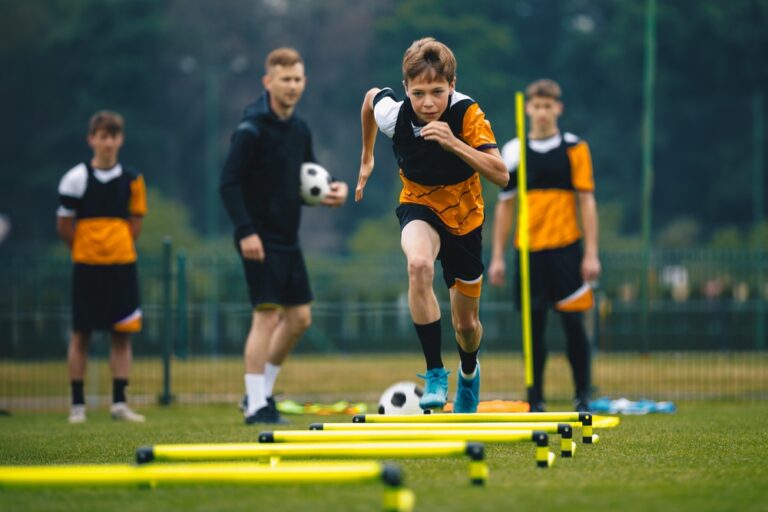
- The Soccer Gauntlet: A high-intensity dribbling and defending drill. One player tries to run through a “lane” of defenders to score. It builds toughness and close-quarters control.
- 1v1 Reaction Gate Challenge: Set up two small “gates” with cones. An attacker and defender stand between them. The coach calls “Go!” and the attacker tries to dribble through either gate. This builds incredible reaction time and teaches defenders how to stay in a low, athletic stance.
- Power + Finesse: This is a favorite for those crisp mornings on Isle of Palms. A player takes a “power” shot from distance, then immediately receives a pass for a “finesse” finish into the corner. It teaches players to adjust their technique based on where they are on the pitch.
Pro Tips for Adapting Drills to Any Squad Size
Whether you are training a full team in Mount Pleasant or just a pair of siblings in your backyard on Sullivan’s Island, you need to be flexible.
Grid Scaling: If a drill is too easy and everyone is scoring, make the space smaller. If they can’t complete three passes, make the grid bigger. Space is your best coaching tool.
Progression and Regression:
- Make it harder: Add a “weak foot only” rule or reduce the number of touches allowed.
- Make it easier: Add a “neutral” player who is always on the team with the ball to create an advantage.
Freeze Coaching: Don’t be afraid to blow the whistle and “freeze” the play. Show the players the space they missed or the passing lane that was open. These “teachable moments” are where the real learning happens. For more advanced tips on adapting your sessions, check out More info about drills and skills.
Where to Find More Free Football Drills for Youth Online
The internet is a goldmine for coaches if you know where to look. Here are some vetted resources:
- SoccerXpert: Great for structured drill diagrams and age-specific advice.
- QuickStartSoccer: Perfect for simple, fun games for the youngest age groups.
- NFL FLAG: If you’re looking for footwork and agility drills that translate across sports, their non-contact football resources are excellent.
- YouTube: Visual learners should check out 3 Beginner Football Drills for Youth Athletes to see the mechanics in action.
Frequently Asked Questions about Youth Training
How often should my child practice these drills?
Consistency is king. We recommend 2-3 sessions per week. This allows for skill retention without causing burnout. At ages 5-14, we want them to love the game, not feel like it’s a job. Active recovery—like a fun kickabout at the beach—is just as important as a structured session.
What are the biggest mistakes beginner coaches make?
The “Three L’s”: Laps, Lines, and Lectures.
- Laps: Soccer is about sprinting and stopping, not jogging in circles.
- Lines: If a kid is standing in a line of 10 waiting for their turn, they aren’t getting better. Use small groups!
- Lectures: Keep your coaching points to under 30 seconds. Kids learn by doing, not by listening to us talk.
How do I keep the drills safe for younger players?
Always ensure they are wearing proper footwear and shin guards. In the Lowcountry heat, frequent water breaks are a must. Also, keep the “contact” age-appropriate. Focus on shoulder-to-shoulder shielding rather than heavy tackling for the younger groups.
Conclusion
At Olly on the Ball, our mission is to foster a love for the game through peer-to-peer mentoring and a focus on core fundamentals. We believe that every child in Charleston and Mount Pleasant deserves access to high-quality training that builds both skill and confidence.
Using these free football drills for youth is a fantastic way to start that journey. You don’t need a massive budget to become a great player—you just need a ball, a bit of space, and the drive to get better every day.
If you’re looking for that extra edge, I’d love to help. As a 16-year-old competitive player, I relate to young athletes because I’m still out there playing the modern game every single day. Let’s work together to master those basics and have a blast doing it!
Ready to take the next step? Book a Private Session with us or Start Training Today to see the difference a personalized touch can make. See you on the pitch!