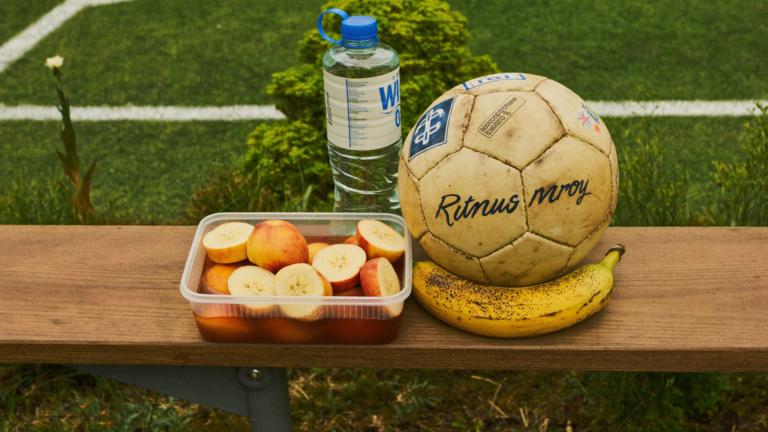


When the summer heat kicks in, soccer players face a unique set of challenges. The combination of intense physical exertion and soaring temperatures can lead to dehydration, which can impact performance and recovery. Ensuring proper hydration is essential not just for playing at peak performance but also for staying healthy and avoiding heat-related injuries. So, how do soccer players stay hydrated during the blistering summer months? Let’s take a closer look.
The Importance of Hydration for Soccer Players
Soccer is a physically demanding sport. Players are constantly running, sprinting, tackling, and changing direction, which leads to a significant loss of fluids through sweat. On a hot summer day, players can lose anywhere from 1 to 2 liters of water per hour, depending on the temperature, humidity, and the intensity of their activity. That’s why maintaining hydration is crucial, as even a slight drop in fluid levels can affect energy levels, focus, and overall performance.
In addition to water, athletes lose vital electrolytes (such as sodium, potassium, and magnesium) when they sweat. These electrolytes help regulate nerve function and muscle contractions, and their depletion can lead to cramping and fatigue. So, hydration for soccer players isn’t just about drinking water—it’s about replenishing both fluids and electrolytes to maintain balance and prevent complications.
Pre-Game Hydration
The process of hydration starts long before the first whistle blows. In fact, soccer players begin preparing their bodies hours before a match to ensure they are properly hydrated. A common strategy is to drink at least 500 mL (about 17 ounces) of water two to three hours before kickoff. This gives the body enough time to absorb the water and begin its hydration process.
Additionally, many athletes will consume a small snack that includes carbohydrates to ensure their energy levels are optimal. A light meal or snack with some fluids can be especially beneficial, as hydration is most effective when combined with a small amount of food. This also helps regulate blood sugar levels and sustains energy during the first part of the match.
During the Game: Water Breaks and Electrolyte Replenishment
Once the game begins, the real challenge of staying hydrated starts. Soccer players often use water breaks during halftime or at scheduled intervals to top off their fluid levels. It’s essential not to wait until you feel thirsty; thirst is often a sign that dehydration has already started to set in. Professional soccer players typically drink water consistently during stoppages to avoid reaching that point.
However, water alone is not always enough during intense summer games. That’s where sports drinks come into play. These drinks are specifically formulated to replace the fluids lost through sweating and to replenish the electrolytes that water alone cannot replace. Many top-tier players use sports drinks that contain a balanced mix of sugars, sodium, and potassium. These help maintain fluid balance, prevent muscle cramps, and keep energy levels high.
Some players even turn to electrolyte tablets or powders that they can dissolve into water to create their own hydration solutions. These provide a more customizable approach to electrolyte intake and can help target the specific needs of the player. The added advantage is that these tablets are often lower in sugar than most sports drinks.
Post-Game Hydration and Recovery
After a game, recovery is just as important as the pre-game and in-game hydration. Rehydrating within 30 minutes of the final whistle helps to kickstart the recovery process. In addition to water, players often turn to recovery drinks that combine hydration with protein, carbohydrates, and electrolytes. These drinks are designed to not only rehydrate but also to assist in muscle repair and recovery.
Some players also use coconut water, which is a natural source of potassium and electrolytes. This can be a great alternative to traditional sports drinks, especially if players are looking for a more natural option. Coconut water, paired with a balanced meal that includes complex carbs and protein, can provide the perfect post-game recovery combination.
Hydration Strategies in Extreme Heat
During especially hot summer months, when the heat index is high, soccer teams will often make adjustments to their training schedules. More frequent water breaks and less intense training sessions are key to avoiding heat-related illnesses such as heat exhaustion or heat stroke.
Some players even use cooling vests or ice packs before and after the game to help lower their body temperature. These strategies are especially useful in extreme conditions, as they allow players to stay cooler, reduce the risk of overheating, and maintain their hydration levels.
Another common practice is to monitor urine color, which is a great indicator of hydration status. Players should aim for light, pale yellow urine. Dark yellow or amber-colored urine often signals dehydration, and steps should be taken immediately to rehydrate.
Hydration Tips for Amateur Soccer Players
While professional players have access to advanced resources and support, amateur and recreational players can also benefit from these hydration strategies. Here are a few tips that can help you stay hydrated during those hot summer soccer games:
- Drink Water Before, During, and After the Game: It’s important to drink consistently throughout the day and not just during the game itself.
- Consider Sports Drinks: If you’re playing in the heat, consider adding sports drinks or electrolyte tablets to your hydration routine. But be mindful of sugar content and aim for drinks that strike a balance between electrolytes and hydration.
- Eat Hydrating Foods: Foods like watermelon, oranges, and cucumbers have high water content and can complement your hydration plan.
- Wear Breathable Gear: Lightweight, moisture-wicking clothing will help you sweat more efficiently and keep your body temperature regulated.
- Know Your Body: Pay attention to the signs of dehydration—dry mouth, dizziness, and fatigue are all signals that you need to hydrate.
Conclusion
Summer soccer is a thrilling experience, but it comes with its own set of challenges, especially when it comes to staying hydrated. Proper hydration goes far beyond simply drinking water—it’s about understanding how much fluid you need, when to drink it, and how to replenish lost electrolytes. Whether you’re a professional or an amateur player, making hydration a top priority will not only improve your performance on the field but also help you stay safe in the heat.
So, the next time you’re out on the pitch, remember: hydration is your first line of defense against the summer heat and can be the key to playing at your best.