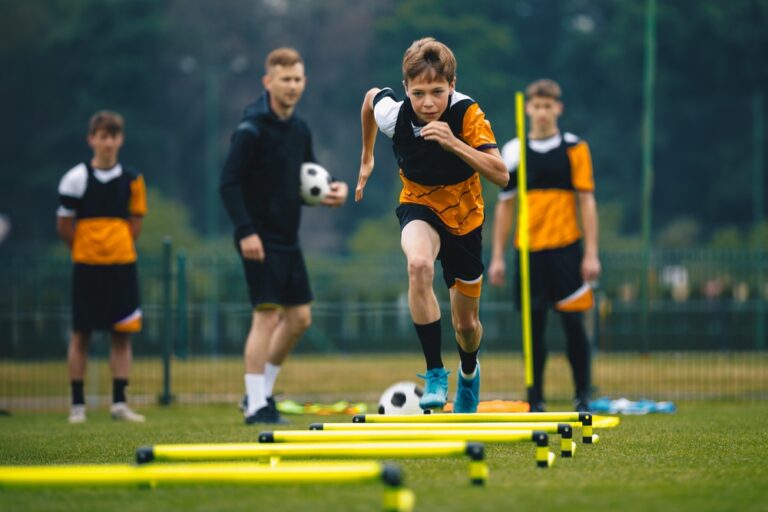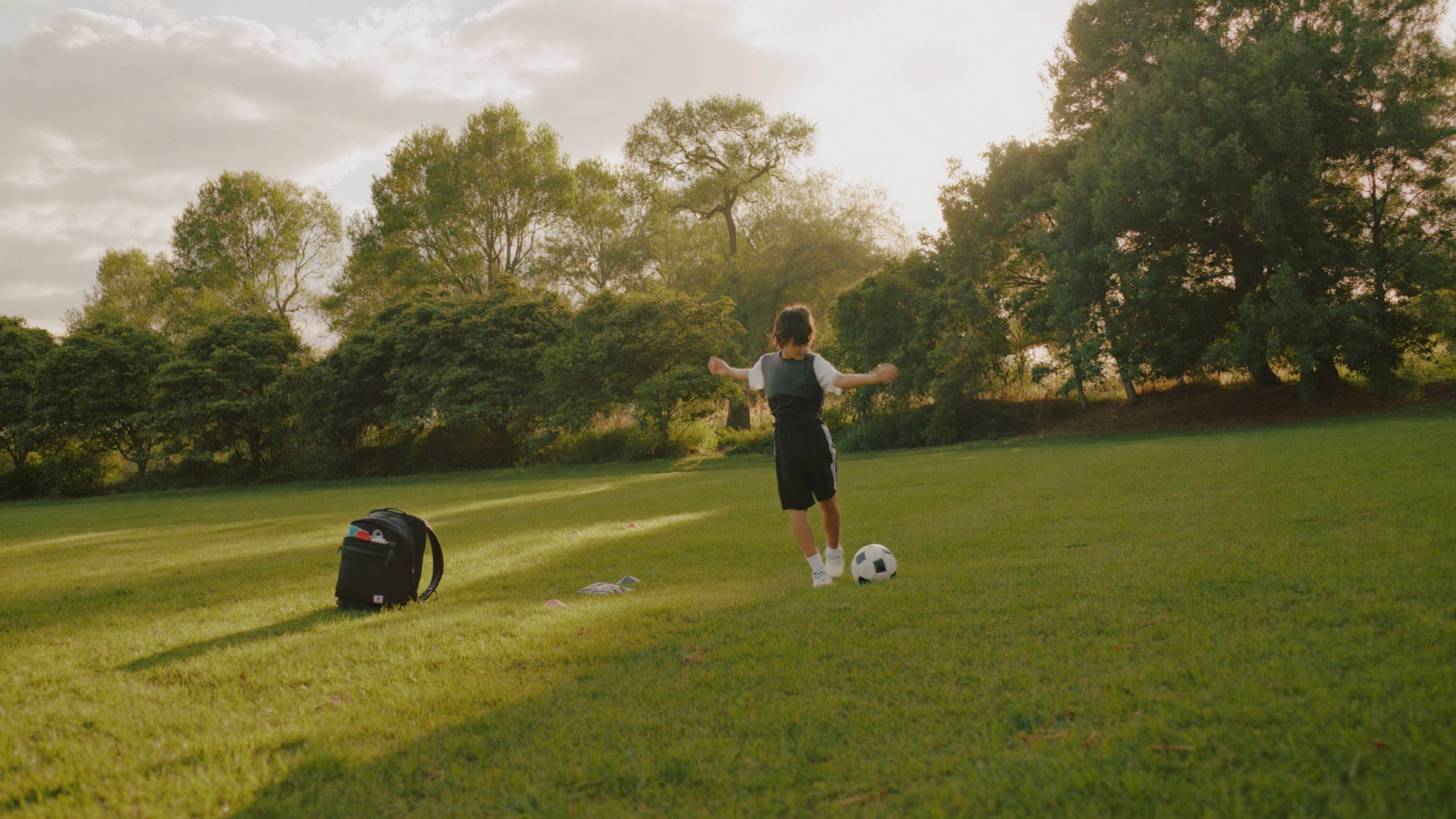


There’s a point where a young player has outgrown the basics. They’ve got a good touch, they read the game, and team practice isn’t pushing them anymore. That’s when advanced soccer training in Charleston becomes the difference between a good club player and a standout. This guide is for parents of competitive young players in the Mount Pleasant and Charleston area who want to know what the next level actually looks like. I’m Olly — I play for Surf, volunteer with the Charleston Battery, and train players who are ready to be pushed.
What “Advanced” Actually Means
Advanced training isn’t just harder drills. It’s a shift in what you’re training. Beginners work on clean technique. Advanced players work on doing that technique faster, under pressure, and with better decisions.
The three things that separate advanced players:
- Speed of play. They do everything a beat quicker — first touch, pass, decision.
- Composure under pressure. Tight space and a closing defender don’t rush them.
- Game intelligence. They see the pass before it opens and the run before it’s made.
If your player has the basics but plateaued, the ceiling is usually one of these three, not their raw skill. Building real soccer IQ is often where the biggest jumps come from.
Train Technique at Game Speed
The most common gap in competitive youth players is technique that’s clean when it’s slow and messy when it’s fast. Advanced training closes that gap.
The fix is simple to say, hard to do: do the same drills faster, with less time and space. Add a defender. Add a touch limit. Add a clock. A player who can pass and receive cleanly at full speed, both feet, under pressure, is genuinely dangerous. That is the whole target.
Sharpen Decision-Making
At the advanced level, the ball moves too fast to think slowly. Players need to have already decided what to do before the ball arrives.
- Train “check your shoulder” as a habit — a look before every touch so the picture is already loaded.
- Use small-sided games (3v3, 4v4) where every player touches the ball constantly and has to decide fast.
- Ask questions after reps: “What was your other option there?” Get them seeing the whole field.
Decisions are trainable. The best players aren’t just faster with their feet — they’re faster with their eyes and their choices.
Build Physical Explosiveness
As players get older and the game speeds up, the physical side matters more. Not weightlifting — explosiveness.
- Short sprints and change-of-direction work for that first-step burst.
- Balance and core work so they hold up under a challenge.
- Agility drills that mirror real game movements, not just straight-line running.
A quick, balanced, explosive player wins the moments that decide games — the first step to the ball, the recovery run, the turn away from pressure.
The Mental Side of Competitive Soccer
Here’s what a lot of programs skip: the mindset. Competitive soccer is demanding, and the players who last are the ones who handle setbacks without falling apart.
That means training composure after a mistake, confidence when the game gets physical, and the discipline to keep working when they’re not the best on the field anymore. Push hard, but keep it positive — the goal is a tougher, more confident player, never a burned-out one. Advanced training that ignores the mental side produces talented kids who quit.
Is Extra Training Worth It for a Competitive Player?
For a player who’s serious and has plateaued, targeted individual or small-group training is one of the highest-value things you can add. Team practice has to serve the whole roster. Private or semi-private work can attack exactly what your player needs — the weak foot, the speed of play, the specific decision they keep getting wrong.
If you’re weighing the investment, our breakdown of private soccer training costs in Charleston lays out what to expect. And if a tryout or team step-up is on the horizon, our tryout prep plan gives a concrete path.
Frequently Asked Questions
What is advanced soccer training for youth players?
Advanced training moves beyond clean technique to speed of play, composure under pressure, and decision-making. The same fundamentals get trained faster, in tighter space, with a defender and a clock. It’s for players who have the basics down and have stopped being challenged by team practice alone.
How do I know if my child is ready for advanced training?
Signs include a reliable first touch with both feet, good game awareness, and a sense that team practice isn’t pushing them anymore. If your player is hungry for more and plateauing at their current level, they’re likely ready to be challenged with faster, pressure-based work.
Is private training better than team practice for competitive players?
It’s not either-or. Team practice builds chemistry and game reps; individual or small-group training targets a specific player’s gaps that a full roster session can’t. Competitive players often benefit most from doing both — team for the game, private for the details.
How often should a competitive young player train?
On top of team practice and games, one or two focused individual or small-group sessions a week is a strong, sustainable amount. More important than volume is quality and recovery — a rested, eager player improves faster than an overtrained, tired one.
Can advanced training help with club team tryouts?
Yes. Targeted work on speed of play, both feet, and decision-making is exactly what evaluators notice. Pairing advanced training with a structured tryout prep plan in the weeks beforehand gives a competitive player the best chance to stand out.
Level Up With Olly
Advanced players need training that pushes the right things — speed, composure, decisions, and mindset. If your competitive young player is ready to level up, you can train with Olly here in Mount Pleasant and Charleston.
About Olly
Olly Sovenyhazy is a 16-year-old Surf player and Charleston Battery volunteer who trains younger athletes around Mount Pleasant and Charleston, SC. He coaches the way he trains: real reps, clean technique, and confidence built through consistency. US Youth Soccer’s player development framework offers more on long-term athlete growth.