

Tryouts reward players who show up ready. That is the whole game. If you want to know how to prepare for soccer tryouts in Charleston, the answer is simple: give yourself four weeks, train with purpose, and walk in confident. I’m Olly, and I play for Surf, so I’ve been on both sides of this — the nerves before, and the work that makes those nerves quiet down. This plan is the exact build-up I’d give a younger player who wants to make their club team. No hype. Just real reps that show up on tryout day.
Most kids cram the night before. Don’t. A team isn’t made in one panic session. It’s made over a few weeks of steady, focused work. Let’s break it down.
Charleston Tryout Season at a Glance
Most club teams in the Charleston area run on a fall season, which means tryouts usually land in late summer. Clubs like Charleston Soccer Club and Charleston United post their dates and age groups on their own sites, so check your club’s site directly — dates shift year to year, and you don’t want to be guessing. If you are still deciding where to try out, my rundown of Charleston soccer clubs is a good starting point.
Once you know your tryout window, count back four weeks. That’s your start line. If you’ve got more time, even better — use the extra weeks to stay loose and keep touching the ball. For a deeper look at the youth development calendar, US Youth Soccer is a solid resource for how player pathways work across the country.
Week 1: Base Fitness and Lots of Touches
Week one is about waking your body up and getting comfortable on the ball again. You’re not trying to peak yet. You’re building a base.
For fitness, keep it simple. Three or four sessions of light running, with a few short sprints mixed in. Tryouts are stop-and-go, so you want to train that way — jog, then explode for ten yards, then recover. Add some bodyweight strength: squats, lunges, planks. Nothing fancy.
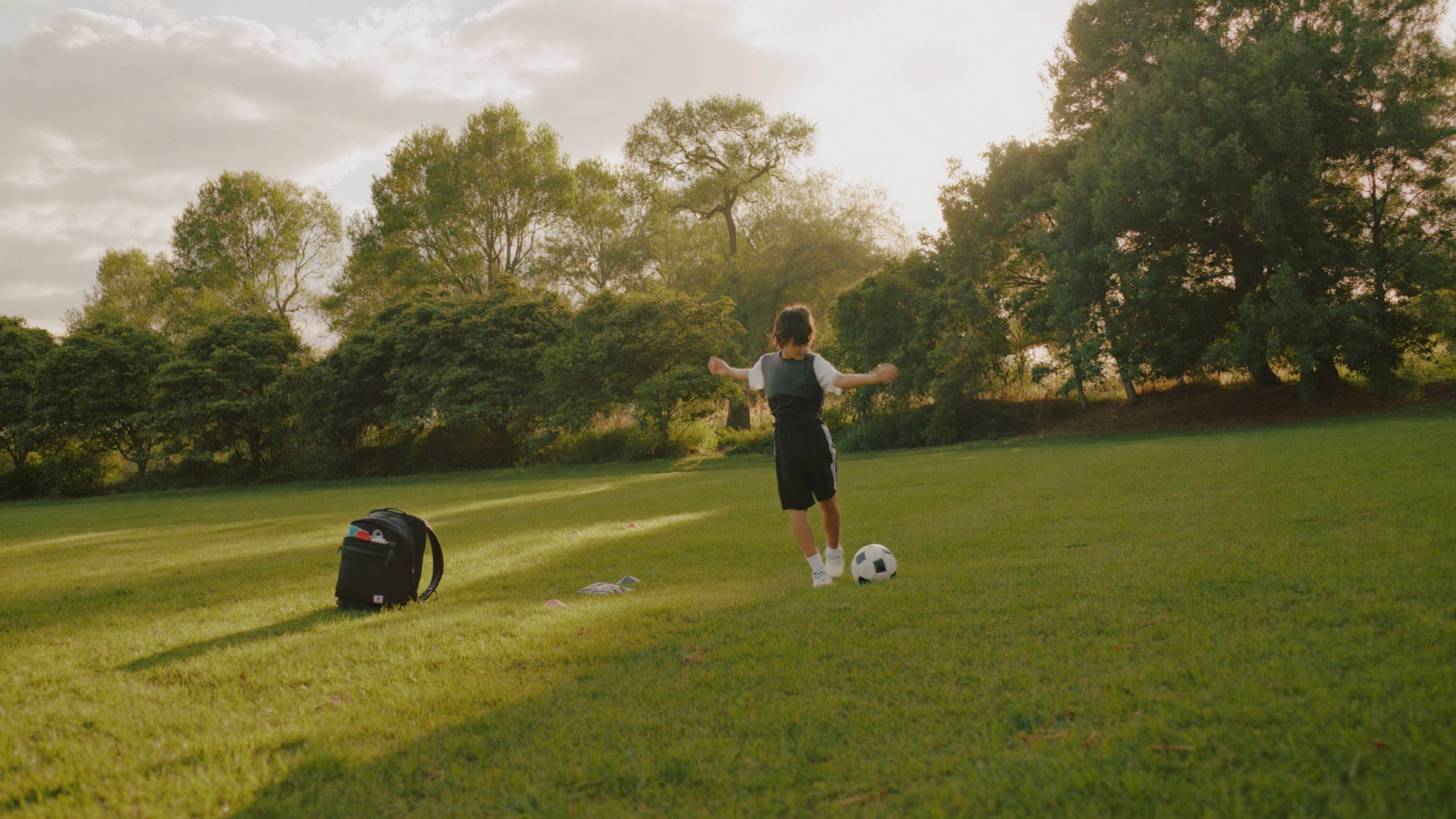
Then the ball. This is the part most players skip, and it’s the part that matters most. Aim for high-volume touch work every day — even just 20 minutes counts. Inside-outside dribbling, sole rolls, toe taps, figure-eights through cones. The goal is volume. Confidence comes from reps, and reps come from showing up daily.
If you’re building this on top of a summer break, my guide on how to stay sharp over summer has more touch routines you can fold in.
Week 2: Sharpen First Touch and Passing Under Light Pressure
Now we get sharper. Week two is where your first touch starts to win you minutes at a tryout.
A clean first touch tells a coach you can play fast. Spend time receiving the ball with both feet, on the ground and out of the air. Use a wall if you don’t have a partner — a wall never gets tired and never misses. Receive, settle, pass back, repeat. Try to take your first touch into space, not straight into your own feet. My first touch drills work well here.
Add passing now too. Short, crisp, accurate. If you’ve got a teammate, work both feet at different distances. Then bring in light pressure: have someone jog toward you as you receive, so you learn to take your touch away from the defender. That small habit shows up everywhere on the field.
Quick feet. Quick decisions. The faster you can control and release, the more dangerous you look.
Week 3: Game Realism — Small-Sided, Decisions, Communication
Week three is when training starts to look like an actual tryout. Coaches almost always run small-sided games — 3v3, 4v4, maybe 7v7. So train in that environment.
Get a group of friends together and play. Small-sided games force you to touch the ball constantly, make quick decisions, and defend. That’s exactly what a coach is watching for. You can’t fake game sense in a drill, but you can build it by playing.
Two things to focus on here. First, decisions — when to pass, when to dribble, when to switch the play. That reading of the game is your soccer IQ, and it separates players who look composed from players who look rushed. Second, communication. Talk. Call for the ball. Tell a teammate they have a man on. Coaches notice the loud, organized players because those players make everyone around them better.
It also helps to know where you fit. If your player is unsure which role suits them, my guide to youth soccer positions breaks it down by age and format.
Week 4: Taper and Mindset
This is the week people get wrong. They train harder than ever the final week and show up flat. Do the opposite.
Week four is a taper. Cut your training volume roughly in half. Keep your touches sharp and your legs fresh — short, light sessions, then rest. You built your fitness in weeks one through three. Now you protect it. Sleep matters more than one extra session ever could. Rested legs are fast legs.
The other half of week four is your head. Calm nerves come from preparation, and you’ve prepared. Remind yourself of that. Try a little visualization — picture yourself receiving cleanly, making a smart pass, winning a tackle. Your brain doesn’t fully separate imagining a rep from doing one, so this actually helps.
Nerves before a tryout are normal. Every player feels them, even the ones who look calm. The trick isn’t to make nerves disappear. It’s to show up prepared enough that they don’t run the show. Train hard. Play free.
Tryout Day: What Coaches Notice
Here’s the honest truth from someone who’s been in these sessions: coaches can’t evaluate every touch from every player. So they look for signals. The biggest ones are things you fully control.
Effort is number one. Sprint to every loose ball. Get back on defense. Coaches will take a hard worker with average feet over a lazy player with great feet almost every time. Attitude is next — be coachable, be positive, and never sulk after a mistake. Mistakes happen at tryouts; how you respond is the test. And communication, again. The player who talks looks like a leader.
I wrote a whole companion piece on this from the evaluator’s side. If you want the full breakdown of what coaches look for at tryouts, read it alongside this plan. This article gets you ready; that one shows you exactly what’s being judged.
How Parents Can Help
Parents, your job on tryout week is smaller than you think, and that’s a good thing. The best thing you can do is take pressure off.
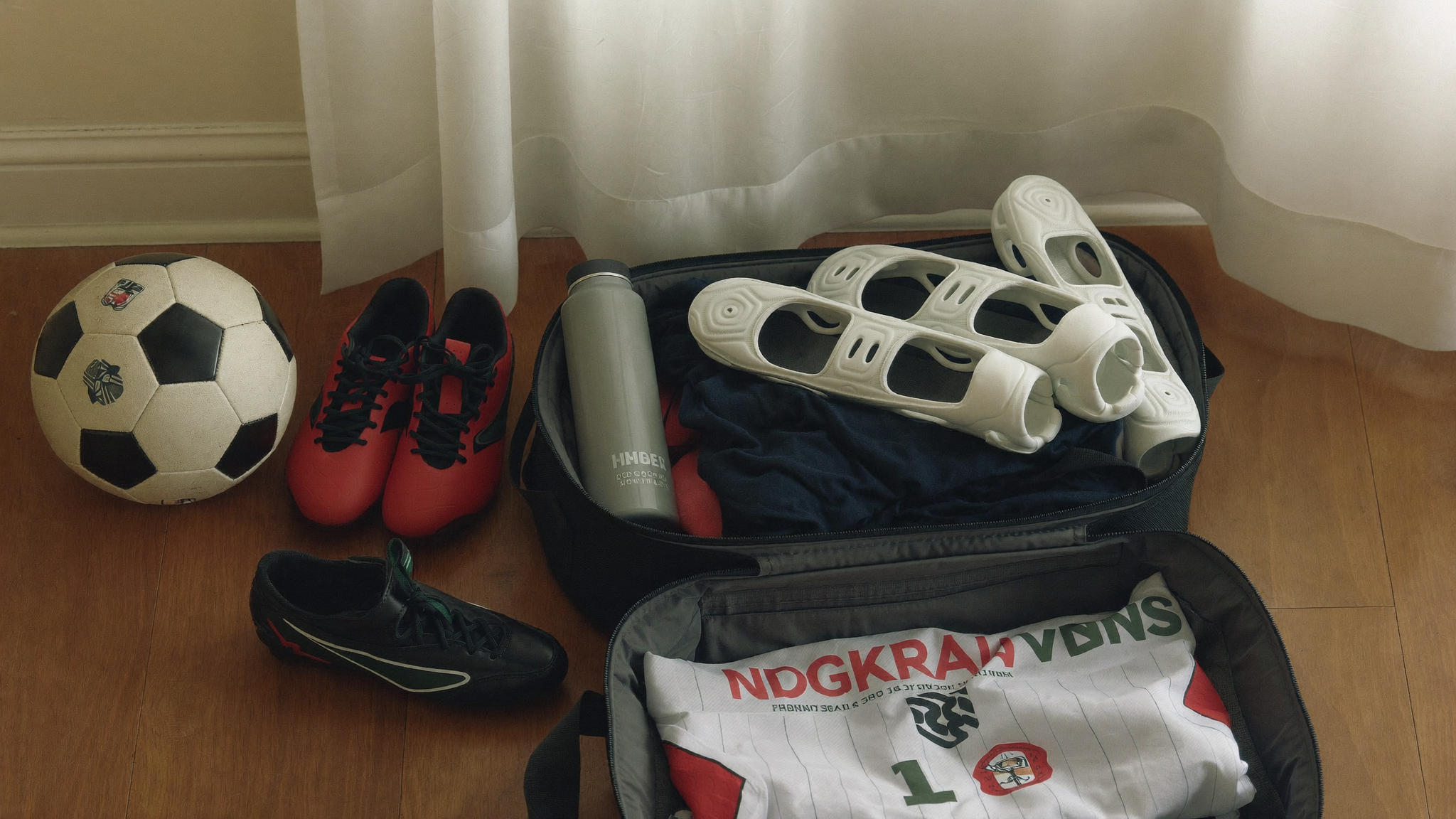
Keep it calm. Get your player fed with a normal, familiar meal — tryout day is not the day to experiment. My guide to what to eat before a game covers the simple version. Arrive early so there’s no rushing, no stress, no scrambling to find the field. Make sure they’ve got cleats, shin guards, water, and a ball they like.
Then step back. Skip the sideline coaching and the long debrief in the car. A simple “I loved watching you compete” does more than any technical note. Your calm becomes their calm. Players perform best when they feel supported, not evaluated by the people they love most.
Frequently Asked Questions
How do you prepare for soccer tryouts?
Give yourself about four weeks. Build base fitness and daily touches first, then sharpen your first touch and passing, then play small-sided games for game realism, and finally taper and rest the last week while getting your mindset right. Steady preparation beats last-minute cramming every time.
When are club soccer tryouts in Charleston?
Most local clubs run a fall season, so tryouts typically happen in late summer. Exact dates and age groups vary by club and change each year, so check your club’s official site — for example Charleston Soccer Club or Charleston United — for the current schedule.
What do coaches look for at youth soccer tryouts?
Effort, attitude, and communication first, then technical ability and decision-making. Coaches can’t watch every touch, so they reward players who work hard, stay positive and coachable, and talk on the field. For the full breakdown, see our guide on what coaches look for at tryouts.
How can my child calm tryout nerves?
Nerves are normal and usually fade once preparation is solid. Help them taper and rest the final week, get a good night’s sleep, eat a familiar meal, and arrive early so nothing feels rushed. Light visualization the night before — picturing clean touches and smart plays — helps too. Keep the tone supportive, not pressured.
What should you eat and bring on tryout day?
Eat a normal, balanced meal a couple of hours before — something familiar, nothing new. Bring cleats, shin guards, plenty of water, and a ball. A light snack like fruit for afterward is smart too. Comfort and routine matter more than anything fancy.
Ready to Walk In Confident?
A plan only works if you run it. If your player wants extra reps, sharper touches, and a calm, prepared mindset before tryouts, I run focused tryout prep sessions right here in the Charleston area. Let’s get them ready to compete.
About Olly
Olly is a 16-year-old soccer player from Mount Pleasant who plays for Surf and volunteers with the pro Charleston Battery. Through Olly On The Ball, he trains younger players in Mount Pleasant and the greater Charleston area, focused on confidence, technical skill, and the mindset it takes to compete on game day.