

Fall season sneaks up fast. One week it’s still summer, the next there are practices, team assignments, and a game schedule on the fridge. A little fall soccer season preparation now saves a lot of scrambling in September. This is a Charleston parent’s checklist for getting your young player ready — gear, fitness, mindset, and the small things that make the first few weeks smooth. I’m Olly, I play for Surf and train younger players around Mount Pleasant, and I’ve seen what separates the kids who start the season sharp from the ones who spend a month catching up.
1. Sort the Gear Early
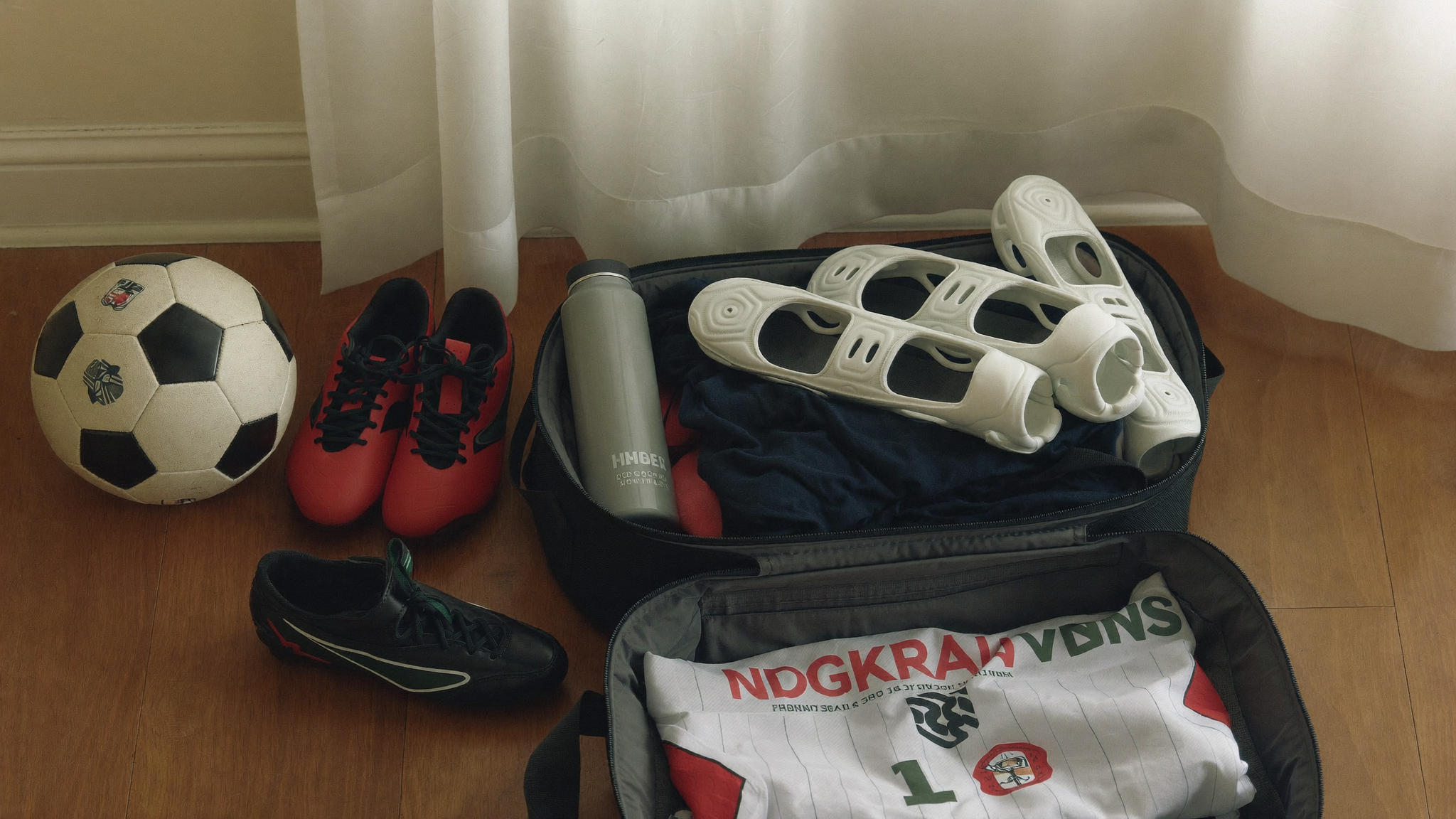
Nothing derails a first practice like cleats that don’t fit. Check the essentials two weeks out, not the night before.
- Cleats. Feet grow over summer. Check fit now — a thumb’s width at the toe, snug but not tight.
- Shin guards. Required for every practice and game. Make sure last year’s still fit.
- Ball. Correct size for the age group (size 3 for the youngest, size 4 for roughly ages 8–12, size 5 from about 13 up), properly inflated.
- Water bottle and a full change of socks. Charleston heat in August is real. Hydration is not optional.
Getting gear sorted early also means one less thing stressing your player on day one. Confidence starts with feeling prepared.
2. Rebuild Fitness Before the First Whistle
If your child took July off, easing back in now beats getting winded in week one. You don’t need anything formal — just movement.
- Two or three light jogs or bike rides this week to wake the legs up.
- A few short sprint-and-rest sets to get used to game bursts again.
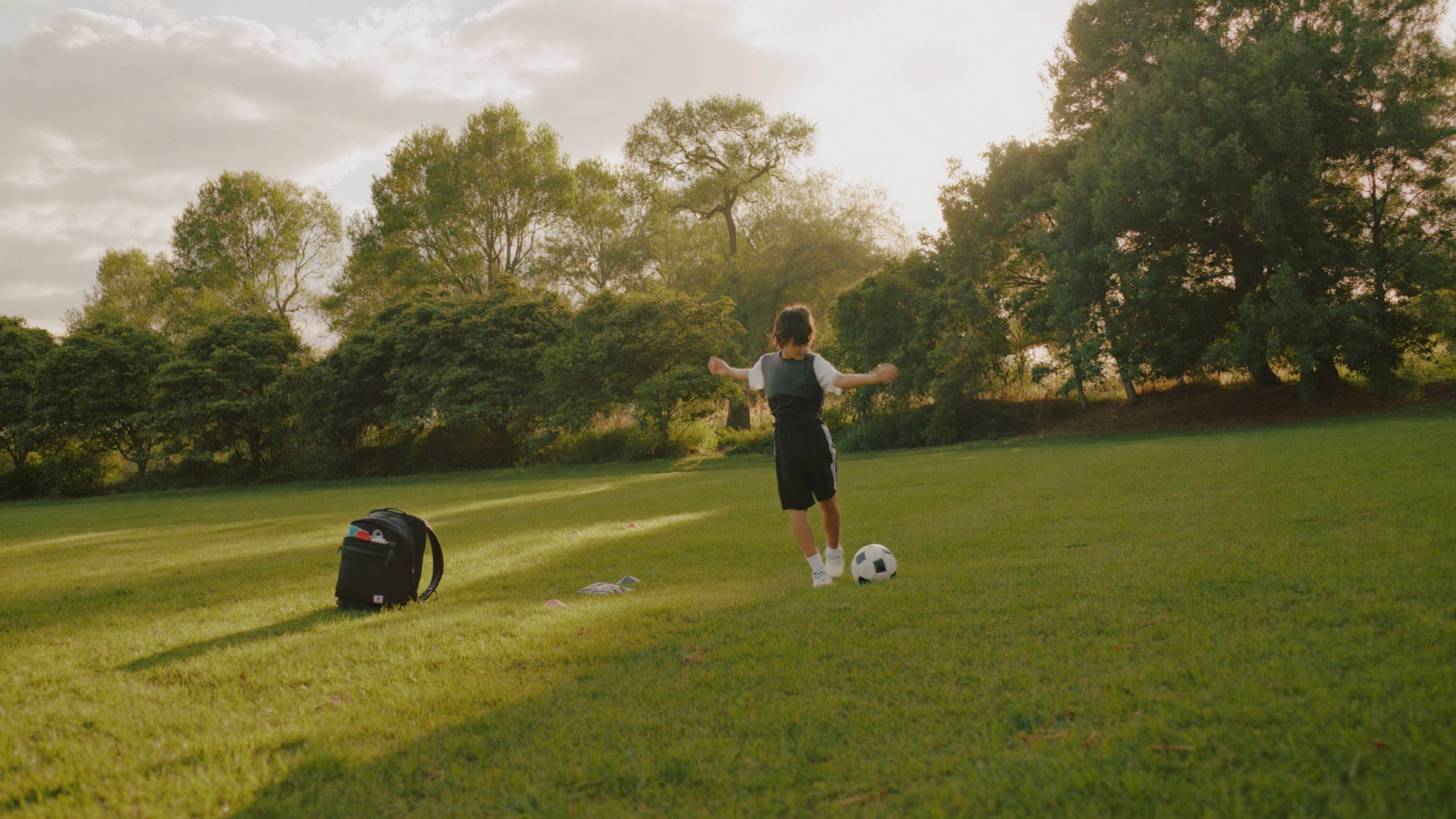
- Ten or fifteen minutes of ball work most days to bring the touch back.
The idea is a gentle ramp, not a boot camp. If your player kept sharp over the break, our guide to keeping skills sharp over summer already did most of this work. If not, start light this week and build.
3. Bring the Touch Back
Fitness gets you through the game; touch decides how you play in it. Two weeks of daily ball work makes a visible difference.
Keep it simple and short:
- Wall passes for both feet.
- Cone dribbling for close control.
- A handful of shots or long passes to wake up the striking foot.
Fifteen minutes a day is plenty. The player who shows up in August with a clean first touch immediately looks a level above the one who spent summer off the ball.
4. Get the Mindset Right
Fall often means a new team, new coach, or a step up in level. That can rattle a young player. A few conversations now help.
Talk about effort over outcome. Remind them nerves are normal and everyone feels them the first week. If tryouts or team placement are part of your fall, our tryout prep plan walks through the mental side in detail. The message that matters most: work hard, stay confident, and enjoy it.
5. Set the Schedule and Logistics
The families who have the smoothest fall are the ones who plan the boring stuff early.
- Put every practice and game on a shared calendar.
- Sort carpools before the season, not during it.
- Plan snacks and post-practice meals so a hungry, tired kid isn’t a nightly crisis.
- Decide now whether you want extra individual training to complement team practice.
A calm household makes for a calm player. The logistics matter more than parents expect.
6. Decide If Extra Training Fits This Fall
Team practice builds the team. Individual training builds the player. Many Charleston families use the start of the season to add a weekly private or small-group session, especially if their child is stepping up a level or wants more touches than team practice allows.
If you’re weighing it, our guide to choosing a private soccer coach covers what to look for. The right extra reps early in the season compound all fall.
Frequently Asked Questions
When does fall youth soccer season start in Charleston?
Most Charleston-area club and rec fall seasons begin practices in August, with games starting late August into September. Exact dates vary by club and league, so check your specific program — but building fitness and touch in the first half of August puts your player ahead of the first whistle.
How do I get my child ready for the first practice?
Sort the gear early, ease fitness back in with light running and sprints, and get ten to fifteen minutes of ball work in most days for two weeks. Add a calm conversation about effort and nerves. Preparation is what turns first-week jitters into confidence.
What gear does my child need for fall soccer?
Properly fitting cleats, shin guards, the right ball size for their age, a water bottle, and spare socks. Check cleat fit now since feet grow over summer. Having gear ready two weeks out removes a big source of first-day stress.
Should my child do extra training before the season?
A light two-week ramp of fitness and daily ball work helps almost every player, especially if they took time off in July. Whether to add formal private or small-group sessions depends on your child’s goals and level — many families add a weekly session at the start of the season for extra touches.
How do I help a nervous player start a new season?
Normalize the nerves, focus on effort over results, and remind them everyone feels it in week one. If a new team or tryout is involved, walk through it together ahead of time. Feeling prepared is the fastest cure for first-week anxiety.
Start the Season Sharp With Olly
A little prep in August pays off all fall. Sort the gear, rebuild the touch, and get the mindset right, and your player starts the season a step ahead. If you want to add hands-on training to the mix, you can work with Olly right here in Mount Pleasant.
About Olly
Olly Sovenyhazy is a 16-year-old Surf player and Charleston Battery volunteer who trains younger athletes around Mount Pleasant and Charleston, SC. He coaches the way he trains: real reps, clean technique, and confidence built through consistency. For player-safety and season-readiness guidance, US Youth Soccer publishes helpful resources for families.